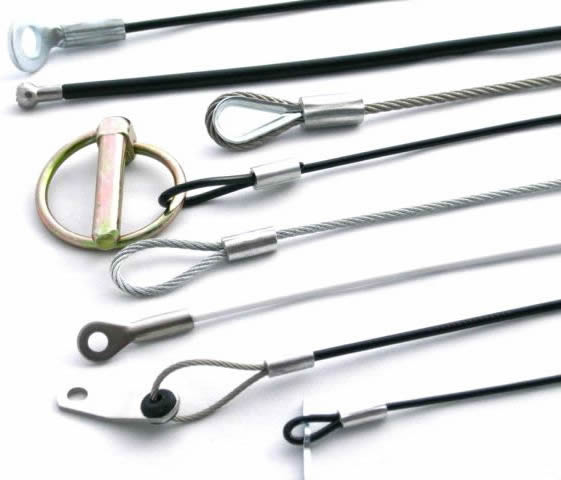
A rope comprises several yarns, plies, fibers, or strands braided or twisted together to make a thicker and more durable structure. Ropes are often used for dragging and pulling. Rope is stronger than thread, string, or twine. Read More…
Since our beginning in 1967, we have had experience designing, manufacturing and distributing the highest quality braided ropes and cords. Braided ropes and cordage are produced in all common fibers.

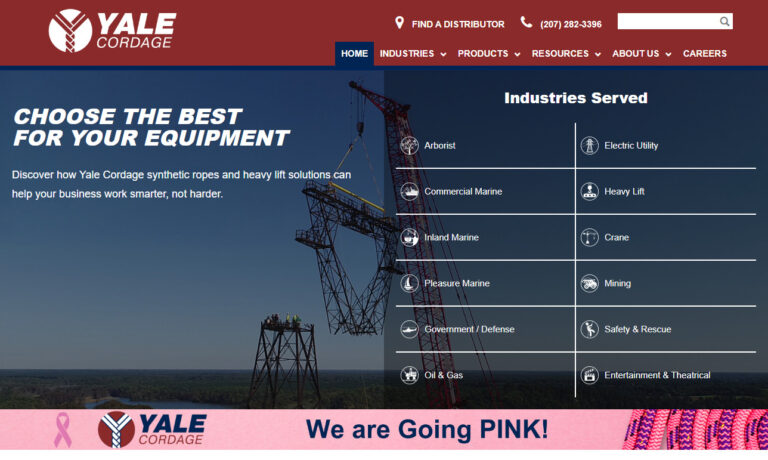
At Yale Cordage, we take pride in engineering and manufacturing advanced rope solutions that push the limits of performance, safety, and innovation. Our focus has always been on creating synthetic ropes that outperform traditional fiber and wire rope, offering exceptional strength, flexibility, and longevity across a wide range of demanding applications.
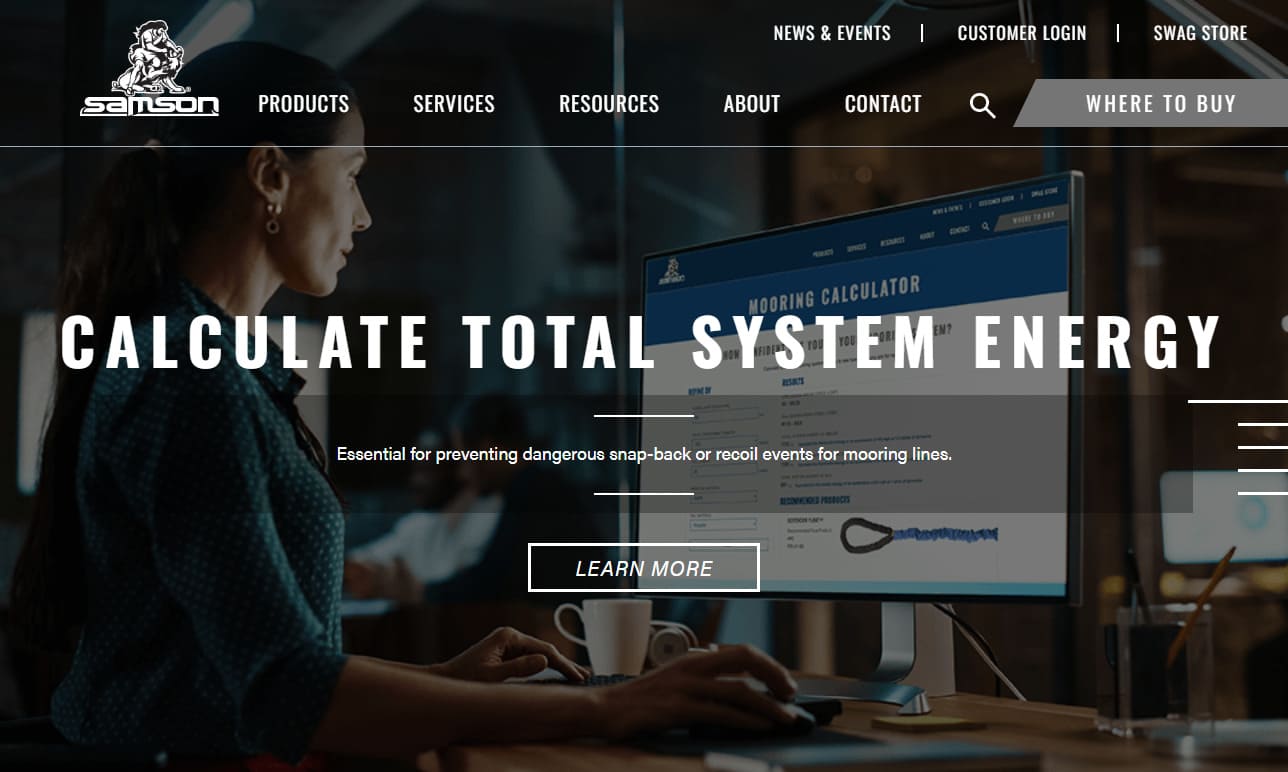
Samson Rope Technologies can supply you with braided rope, nylon rope, sash cord, and rope & cordage for general use. Not only do we provide specific solutions to our customers, but we also follow up with instructions for the use and care of our products.

At Erin Rope Corporation, we take pride in our long-standing expertise in designing and manufacturing high-performance rope solutions that meet the demands of industries across the globe. We specialize in the engineering and production of ropes built to perform under pressure, offering durable, reliable, and precise products that serve a wide range of applications from construction and marine to...

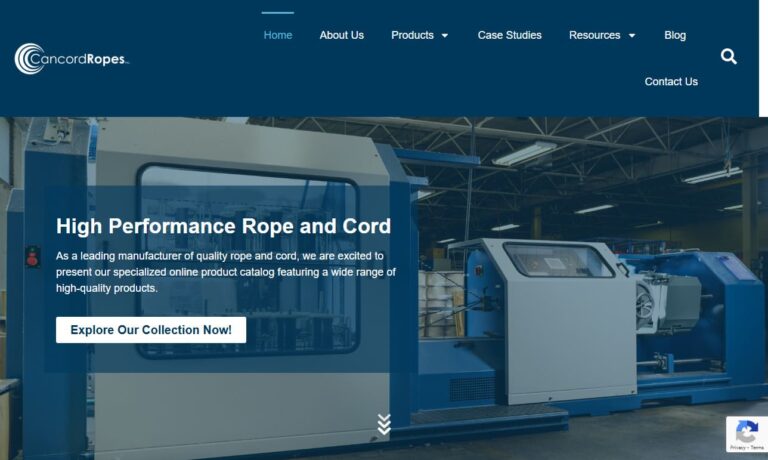
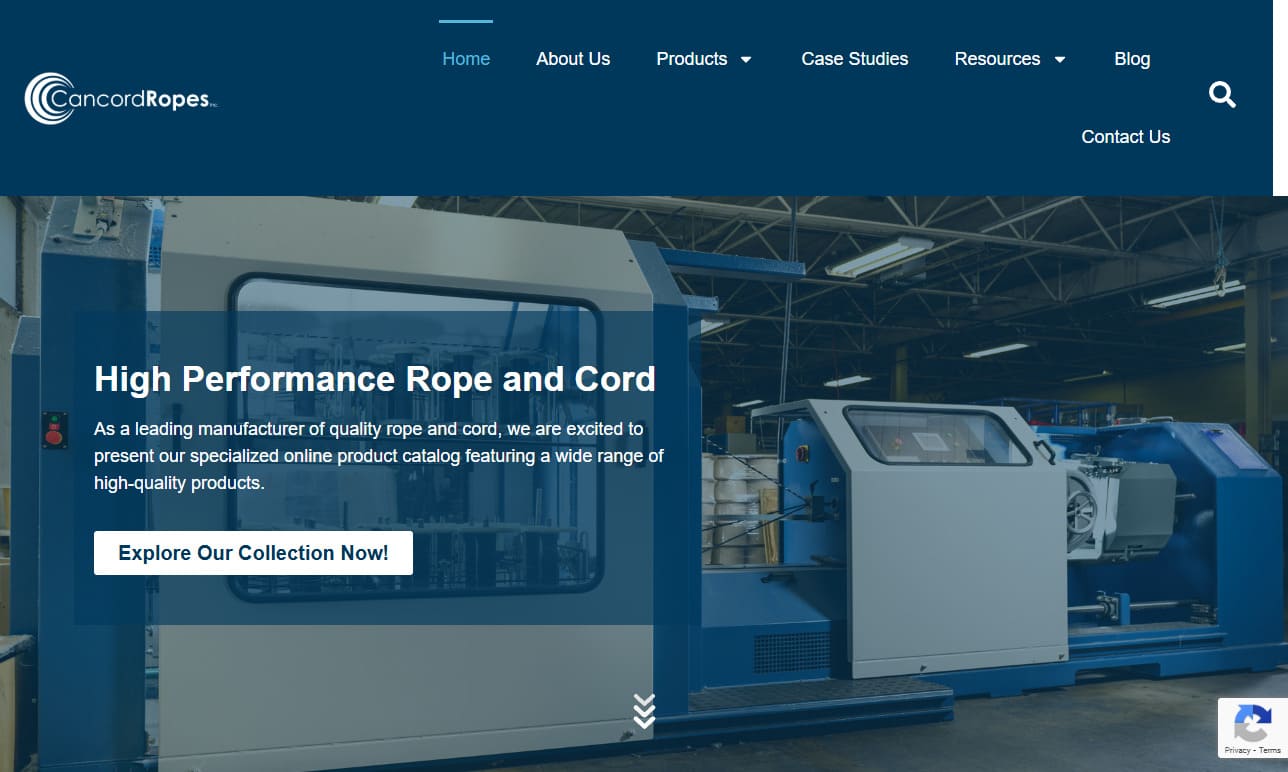
At Cancord Ropes, we take pride in designing and manufacturing high-performance ropes that meet the demanding requirements of modern industries. Our expertise lies in crafting synthetic and blended fiber ropes that deliver exceptional strength, durability, and flexibility for a wide range of applications.




More Cordage Suppliers

Making Cordage
When making cordage, textile strands are stretched out by hand for hundreds of yards before being hooked at one end to form cordage. Making cordage rope, known as "rope walking," involves turning a wheel that twists the material into a rope. Over the years, innovative machinery has been developed to facilitate the rope walking process. Manufacturers make rope in two ways: twisting and braiding. Although the finished goods have a similar appearance, the procedures differ.
Braided Rope
Braided rope is made by braiding together multiple strands of rope. Hundreds of strands can be incorporated into one braid. There are three variations of braiding: hollow, solid, and double.
Hollow: Hollow braided rope is a braided tube made of fibers with an empty core in the middle.

Solid: Solid braided rope has a core, making it a stronger alternative to hollow rope.
Double: Double braided rope has a braided core and a braided jacket to add even more tensile strength.
Twisted Rope
Individual strands are first twisted to create a twisted rope, which is then twisted once more to create a larger, stronger rope. Twisted rope's low cost, extensibility, and splice ease are primarily its benefits.

Applications of Cordage
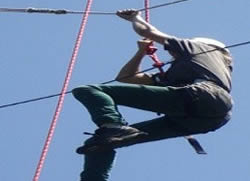
Bridge and Building Inspection: Ropes facilitate manual inspection processes during construction on bridges and tall buildings. Inspectors can walk across high-altitude constructions safely using high-quality ropes.
Construction: Rope has a wide range of applications in the construction sector. It can be more cost-effective to drop technicians into difficult-to-reach areas with secure ropes than to build scaffolding.
Rescue Operations: Since ancient times, the rope has been a necessary component of rescue efforts because it allows workers to reach places that might not otherwise be reachable. The rope has shown to be one of the most dependable equipment in the arsenal of possibilities available to rescue workers since it is very dependable, does not conduct electricity, and is rarely harmed by chemicals or water.
Heavy Lifting: Using rope is an affordable, reliable alternative to wire sling for lifting heavy objects. Rope slings are designed for rigging, cranes, and other lifting equipment. They are incredibly dependable, safe, and lightweight. In addition, the rope can help prevent injury from loads that snap, rebound, or drop due to poor rigging.
Mining: For many years, the underground activities of the mining sector have utilized wire. Unfortunately, wire will rust and create fishhooks and kinks, which leads to dangerous situations. Ropes and cordage are stronger and safer alternatives to wire. Ropes used in mining are more dependable, simpler to see, and engineered to endure longer.
Ocean Work & Boating: The rope used for ocean operations is often pre-stretched to prevent it from elongating while being used. Nautical ropes are also chemically protected against the effects of salt water, and strong enough to endure fish attacks. The presence of salt water, which can cause any material to degrade, is one of the main issues with operating near the ocean. Boating and shipping ropes must be made of unique materials that can endure the harsh temperatures and climate of the ocean. Cordage is also used to fasten hatches, lift sails, and secure cargo.
Military: Rope is often used in military operations to secure equipment and navigate difficult terrain. It has long been a crucial tool used in endurance training.
Choosing the Correct Cordage Supplier
To make sure you have the most productive outcome when purchasing cordage from a cordage supplier, it is important to compare at least 4 companies using our list of cordage suppliers. Each cordage supplier has a business profile page that highlights their areas of experience and capabilities and a contact form to directly communicate with the supplier for more information or request a quote. Review each cordage business website using our proprietary website previewer to get an idea of what each business specializes in, and then use our simple RFQ form to contact multiple cordage businesses with the same message.