Polyester rope is a great solution for general industrial and rigging applications. It is one of the most popular ropes used in the boating industry. Its strength is very close to nylon, but it stretches very little; therefore, it cannot absorb loads. Read More…
Since our beginning in 1967, we have had experience designing, manufacturing and distributing the highest quality braided ropes and cords. Braided ropes and cordage are produced in all common fibers.

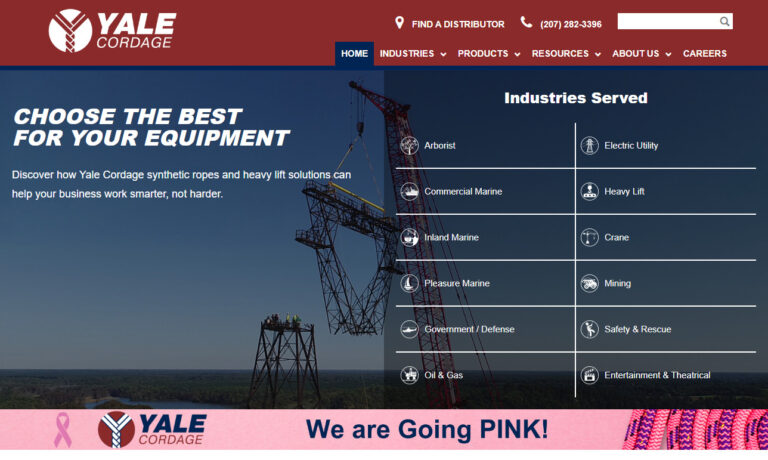
At Yale Cordage, we take pride in engineering and manufacturing advanced rope solutions that push the limits of performance, safety, and innovation. Our focus has always been on creating synthetic ropes that outperform traditional fiber and wire rope, offering exceptional strength, flexibility, and longevity across a wide range of demanding applications.
Samson Rope Technologies can supply you with braided rope, nylon rope, sash cord, and rope & cordage for general use. Not only do we provide specific solutions to our customers, but we also follow up with instructions for the use and care of our products.

At Erin Rope Corporation, we take pride in our long-standing expertise in designing and manufacturing high-performance rope solutions that meet the demands of industries across the globe. We specialize in the engineering and production of ropes built to perform under pressure, offering durable, reliable, and precise products that serve a wide range of applications from construction and marine to...

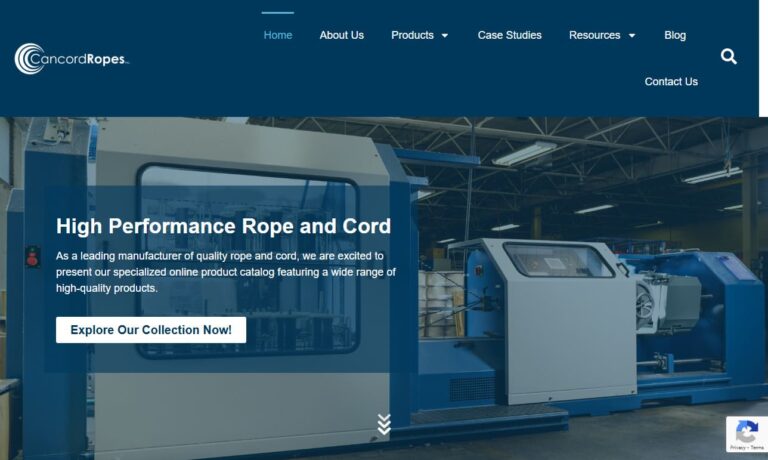
At Cancord Ropes, we take pride in designing and manufacturing high-performance ropes that meet the demanding requirements of modern industries. Our expertise lies in crafting synthetic and blended fiber ropes that deliver exceptional strength, durability, and flexibility for a wide range of applications.




More Polyester Rope Suppliers
Polyester Rope: Comprehensive Guide, Benefits, and Best Uses
Polyester rope stands out as one of the most versatile and durable synthetic ropes available on the market today. Known for its exceptional resistance to moisture, chemicals, and sunlight, polyester rope offers superior abrasion resistance compared to other synthetic fibers, such as nylon and polypropylene. These characteristics make it the rope of choice for a wide range of outdoor, marine, industrial, and commercial applications where exposure to harsh environments is a concern.
Whether you are seeking a rope for mooring, rigging, lifting, or even recreational purposes, understanding the different types, features, and best uses of polyester rope can help you make an informed purchasing decision. This guide explores everything you need to know about polyester rope, from its core properties to key benefits, typical applications, and important considerations when selecting the right manufacturer or supplier.
What is Polyester Rope?
Polyester rope is a synthetic fiber rope manufactured using polyethylene terephthalate (PET), a type of polymer with excellent mechanical and chemical properties. Polyester fibers are extruded, spun, and twisted or braided into ropes of various thicknesses and configurations to meet different strength and flexibility requirements. The result is a rope that is not only strong and durable but also highly resistant to environmental degradation.
- High strength-to-weight ratio: Polyester ropes can support heavy loads without adding excessive weight.
- UV and weather resistance: Unlike many natural fiber and some synthetic ropes, polyester is highly resistant to ultraviolet radiation, making it ideal for prolonged outdoor use.
- Low stretch: Polyester rope maintains its shape under load, with minimal elongation, providing stability and control in critical applications.
- Excellent chemical resistance: Polyester resists acids, alkalis, petroleum-based products, solvents, and bleach, ensuring longevity in industrial environments.
- Moisture resistance: Polyester rope does not absorb water, so it retains its strength and flexibility even when wet.
These features make polyester rope a top choice for industries such as marine, construction, arboriculture, utility, and rescue, as well as for recreational boating, camping, and DIY projects.
Types of Polyester Ropes
Choosing the appropriate type of polyester rope depends on your intended application, required strength, flexibility, and handling characteristics. The most commonly available types include:
Double Braid Polyester Rope
Double braid polyester rope, sometimes called "braid on braid" or "marine braid," is engineered for maximum strength and durability. It consists of a braided core encased in a braided sheath, typically with a 12-strand core and a 24-strand outer cover. This construction provides a balance of high tensile strength, abrasion resistance, and manageable flexibility.

Double braid polyester rope exhibits a high melting point of around 240°C (464°F), which means it retains its structural integrity even after years of outdoor use. Its low-stretch quality and resistance to both moisture and UV rays make it ideal for applications such as rigging, mooring lines, towing, winch lines, and heavy-duty lifting. The rope’s durability also makes it a favorite for use in sailboats, commercial fishing, and industrial slings.
Are you searching for the best rope for marine rigging, mooring, or anchoring? Double braid polyester rope is often recommended for these demanding environments due to its strength, low stretch, and longevity. If you need help selecting the right diameter or construction for your vessel or project, consider consulting a polyester rope supplier with marine expertise.
12-Strand Polyester Rope
The 12-strand polyester rope is a single-braided rope designed for high strength and easy handling. Its open braid structure provides flexibility and allows for quick splicing, making it popular for marine, arborist, and utility applications where both strength and ease of use are priorities.
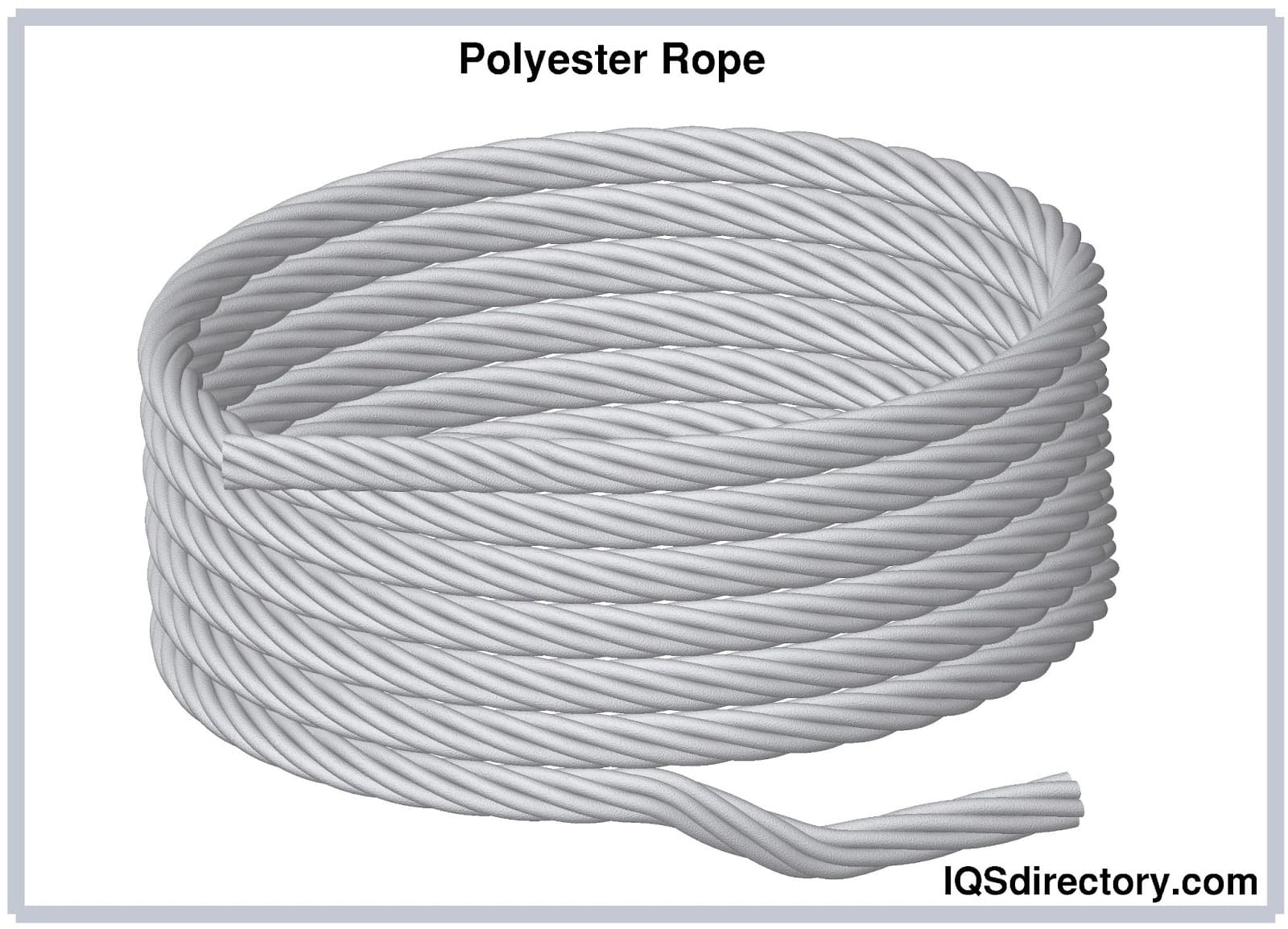
Benefits of 12-strand polyester ropes include:
- High strength-to-weight ratio for reliable performance in demanding conditions
- Excellent grip and flexibility, improving safety and efficiency during handling
- Fast drying and outstanding UV resistance, even in prolonged sun exposure
- No rotation or kinking under load, which is essential for tasks such as hoisting, lanyards, or rescue operations
While 12-strand ropes offer many of the advantages of double braid polyester ropes, their unique construction makes them particularly well suited for dock lines, smaller mainsheets, winch lines, arborist rigging, and general nautical applications. They are also a popular choice for anchor lines and fender lines, where flexibility and strength are paramount.
Dockline (Polyester Dock Lines)
Dock lines made from high-tenacity polyester are engineered for strength, abrasion resistance, and long service life. Unlike nylon dock lines, which offer greater elasticity but degrade over time from UV exposure, polyester dock lines maintain their integrity and performance, even after years of use in harsh marine environments.
Key features of polyester dock lines include:
- Exceptional resistance to wear and tear, extending rope lifespan
- Ability to withstand violent wind storms and rough water conditions
- Minimal stretch, which helps control boat movement and prevents damage during docking
- Reduced noise compared to polypropylene ropes when under tension or rubbing against surfaces
Looking for guidance on the best rope for securing your boat or yacht? Polyester dock lines are favored by both recreational boaters and commercial marinas for their reliability and performance. If you have questions about sizing or care for dock lines, contact a polyester rope expert today.
Applications and Uses of Polyester Rope
The adaptability of polyester rope makes it indispensable across a wide array of industries and activities. Here are some of the most common and high-value uses:
- Marine and Boating: Used extensively in anchor lines, mooring lines, dock rigging, and fender lines due to its low stretch and weather resistance.
- Lanyards and Safety Lines: Ideal for personal fall protection, climbing, and rescue operations, thanks to its strength and minimal elongation.
- Winch Lines and Pulley Systems: Preferred in winching, lifting, and block applications because it maintains shape under heavy loads.
- Industrial Rigging and Lifting: Used in construction, plant operations, and utility work for reliable performance in demanding settings.
- Fishing and Aquaculture: Commonly utilized for fish nets, bolt ropes, and trawl lines, resisting saltwater and sun exposure.
- Outdoor Recreation: Popular for camping, hiking, and DIY projects as general-purpose rope that withstands harsh conditions.
- Arboriculture: Employed by tree care professionals for climbing, rigging, and branch removal.
Wondering which polyester rope is best for your specific use case? Explore the diverse range of polyester rope types to match your requirements for strength, flexibility, and abrasion resistance.
Benefits of Polyester Rope
Why do so many professionals and hobbyists prefer polyester rope over other synthetic or natural fiber ropes? Its advantages are numerous, making it a leading choice for critical applications:
- No loss of strength when wet: Polyester rope maintains its high tensile strength even after prolonged water exposure.
- Soft and flexible handling: Easy to work with, knot, and coil, reducing fatigue and risk of injury during use.
- Superior abrasion resistance: Withstands friction and rubbing, extending rope lifespan in harsh environments.
- Resistant to rot, mildew, and UV radiation: Perfect for outdoor, marine, and humid conditions.
- Minimal stretch: Provides stability for rigging, mooring, and lifting tasks.
- High melting point: Safe for use near heat sources and in high-temperature environments.
- Electrical insulation: Does not conduct electricity, adding a safety factor for specific industrial and utility applications.
- Resistant to chemicals: Holds up against acids, alkalis, petroleum-based products, solvents, and bleaches.
- Splice friendly: Easy to splice with stainless steel, nylon, soft eyes, or galvanized thimbles for custom terminations and connections.
Looking for a rope that combines strength, versatility, and durability for your next project? Polyester rope is a proven solution for both professional and recreational needs. For detailed product specifications or custom splicing options, request a quote from a polyester rope supplier.
Drawbacks of Polyester Rope
While polyester rope offers many advantages, there are also some limitations to consider to ensure it aligns with your application:
- Does not float: Polyester rope sinks in water, which can be a drawback in some rescue or water sport applications where flotation is needed.
- Stiffness of some braids: Certain polyester rope constructions, especially tightly braided types, can become stiff over time, making them less suitable for use in blocks or pulleys.
- Poor shock absorption: Due to its low stretch, polyester rope is not ideal for tasks requiring dynamic load absorption, such as towing with sudden jerks. Nylon rope may be better in such scenarios.
- Bleach sensitivity: Prolonged exposure to strong bleach solutions can degrade polyester fibers, reducing strength over time. Always follow manufacturer care guidelines.
Are you comparing polyester rope to other synthetic rope materials? Consider your requirements for stretch, strength, floatation, and environmental exposure to choose the most appropriate rope type for your application.
How to Choose the Best Polyester Rope for Your Needs
When purchasing polyester rope, it’s important to evaluate your specific requirements and the reputation of the manufacturer or distributor. Here are some decision-making factors to guide your process:
- Strength and Diameter: Select the rope diameter and breaking strength appropriate for your intended load and safety margins.
- Construction Type: Decide between double braid, 12-strand, or other configurations based on flexibility, abrasion resistance, and ease of splicing.
- Environmental Resistance: Consider UV, chemical, and moisture resistance according to your application environment.
- Handling and Flexibility: Assess whether the rope’s softness and kink resistance meet your handling needs, especially for repeated coiling or knotting.
- Certification and Compliance: For critical applications, choose ropes that meet industry safety standards and certifications.
- Supplier Support: Look for suppliers that offer detailed product specifications, technical support, and custom fabrication or splicing services.
- Price and Value: Compare pricing, but also weigh warranty, after-sales service, and product reputation.
Need help selecting the right polyester rope for your unique application? Contact our experts or use our request-for-quote (RFQ) form for personalized recommendations and competitive pricing.
Choosing the Correct Polyester Rope Company
To ensure the best outcome when purchasing polyester rope, it’s essential to partner with a reliable and experienced polyester rope supplier or manufacturer. Here’s how to evaluate and compare your options:
- Research Multiple Suppliers: Compare at least 4 to 5 companies using our polyester rope directory to assess product range, expertise, and customer reviews.
- Review Company Profiles: Each supplier’s business profile highlights their areas of specialization, certifications, and capabilities. This helps you match your requirements to the company’s strengths.
- Request Quotes and Samples: Use the integrated contact forms to request product information, custom rope samples, or detailed quotes to compare pricing and service levels.
- Website Preview: Utilize our proprietary website previewer to explore supplier websites and get a sense of their product quality, technical support, and value-added services.
- Leverage the RFQ Form: Easily contact multiple polyester rope companies with the same message using our simple RFQ tool, streamlining your procurement process and saving time.
Are you looking for the best price, fastest lead time, or specific customizations (such as pre-spliced eyes or color coding)? Ask suppliers about their production capabilities, certifications (such as ISO or marine-grade compliance), and post-sale support.
Frequently Asked Questions About Polyester Rope
What makes polyester rope better than nylon rope for outdoor use?
Polyester rope is superior to nylon in outdoor environments due to its higher resistance to UV rays and abrasion. While nylon offers more elasticity, polyester maintains strength and integrity after years of sun and weather exposure, making it ideal for marine and industrial applications.
Can I use polyester rope for climbing or rescue?
Yes, polyester rope is often used for static climbing, rescue operations, and arborist work where low stretch and high strength are required. However, for dynamic climbing (where shock absorption is needed), specialized dynamic climbing ropes—often made with nylon—are recommended.
How do I care for and maintain polyester rope?
To maximize the life of your polyester rope, regularly inspect for signs of wear, abrasion, or chemical exposure. Clean with mild soap and fresh water, avoid prolonged contact with strong bleach, and store in a cool, dry place away from direct sunlight when not in use.
Where can I buy polyester rope in bulk or custom sizes?
Visit our directory of polyester rope suppliers for options on bulk orders, custom diameters, pre-spliced terminations, and specialized constructions to suit your project needs.
Conclusion: Why Choose Polyester Rope?
With its unique combination of strength, flexibility, and resistance to the elements, polyester rope remains the preferred solution for countless marine, industrial, and recreational applications. Whether you need rope for anchoring, rigging, lifting, or general utility, polyester delivers reliable performance and long service life.
If you’re ready to upgrade your equipment or need guidance on the best polyester rope for your specific task, explore our extensive product selection or contact our rope specialists for personalized advice and quotes.