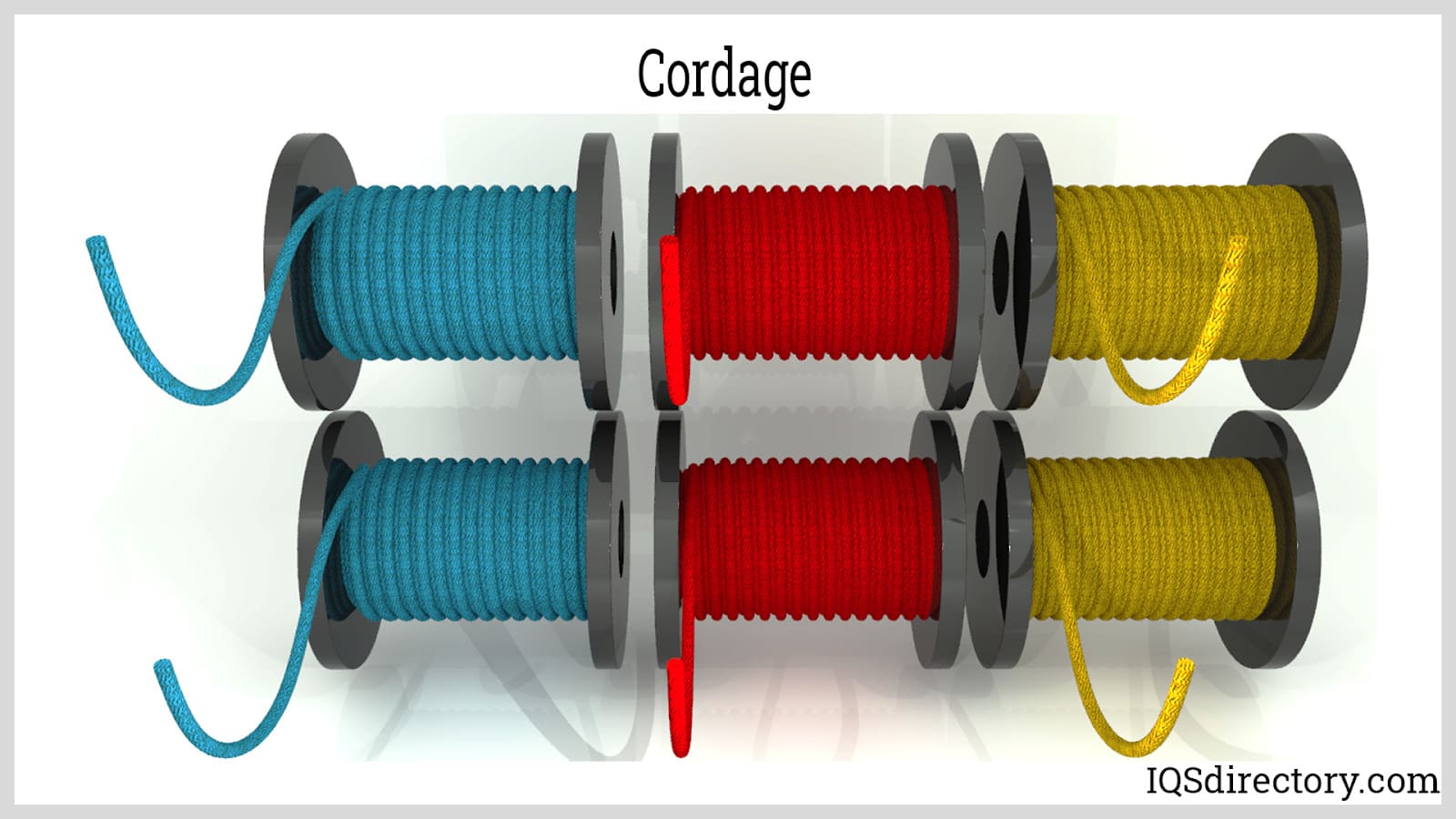
Polypropylene rope is a synthesized robust rope of cordage variety that is lightweight and buoyant when used in water. These ropes are mainly used in areas of application where there is water and where the rope will be subjected to high tensile forces in lifting or tying of very heavy objects. Read More…
Since our beginning in 1967, we have had experience designing, manufacturing and distributing the highest quality braided ropes and cords. Braided ropes and cordage are produced in all common fibers.

At Yale Cordage, we take pride in engineering and manufacturing advanced rope solutions that push the limits of performance, safety, and innovation. Our focus has always been on creating synthetic ropes that outperform traditional fiber and wire rope, offering exceptional strength, flexibility, and longevity across a wide range of demanding applications.
Samson Rope Technologies can supply you with braided rope, nylon rope, sash cord, and rope & cordage for general use. Not only do we provide specific solutions to our customers, but we also follow up with instructions for the use and care of our products.
At Erin Rope Corporation, we take pride in our long-standing expertise in designing and manufacturing high-performance rope solutions that meet the demands of industries across the globe. We specialize in the engineering and production of ropes built to perform under pressure, offering durable, reliable, and precise products that serve a wide range of applications from construction and marine to...

At Cancord Ropes, we take pride in designing and manufacturing high-performance ropes that meet the demanding requirements of modern industries. Our expertise lies in crafting synthetic and blended fiber ropes that deliver exceptional strength, durability, and flexibility for a wide range of applications.




More Polypropylene Rope Suppliers
Characteristics of Polypropylene Rope
Polypropylene rope is a versatile synthetic rope made from polymerized propylene. It is renowned for its excellent chemical resistance to acids, alkali, organic solvents, oils, and alcohol, making it suitable for demanding industrial and commercial applications. Polypropylene ropes also exhibit exceptional mechanical durability, withstanding substantial tensional and twisting forces without losing their integrity. A defining trait of polypropylene rope is its low density; it is lightweight and buoyant, allowing it to float on water—an advantage in marine, boating, and aquatic environments.
This rope resists moisture absorption, ensuring it maintains softness and flexibility even in humid or wet conditions. Additionally, it does not readily attract or hold static electricity charges, reducing hazards in electrical and manufacturing settings. Polypropylene rope is also known for its resistance to ultraviolet (UV) degradation, mildew, and rot, making it an ideal choice for both indoor and outdoor use, including in harsh environmental conditions.

Types of Polypropylene Rope
Polypropylene ropes are available in several forms, each tailored to specific needs and industries. Understanding the differences between these types is crucial when choosing the best polypropylene rope for your application. Explore the primary categories below:
Polypropylene Twine Rope
Polypropylene twine rope is a thick, robust rope widely used for binding, tying, and securing objects. Made from high-strength synthetic twine, it is a staple in the agriculture sector due to its excellent tensile properties and buoyancy. Polypropylene twine maintains its shape and form even after extensive torsion, bending, or flexing, and it can be chemically treated to enhance resistance to weak acids and bases. Its reliability and cost-effectiveness make it a preferred choice for baling, packaging, and general-purpose tying applications.
- Ideal for baling hay, tying sacks, and securing loads
- Common in gardening, landscaping, and farming operations
- Often chosen for its affordability and durability

Stranded Polypropylene Rope
Stranded polypropylene rope consists of multiple twisted strands, resulting in a strong, lightweight, and monofilament rope. It offers excellent oil resistance, ensuring longevity in oily or greasy environments. Like all polypropylene ropes, stranded versions are buoyant and highly resistant to rot, abrasion, and UV light exposure. Their construction makes them ideal for heavy-duty tasks where flexibility, strength, and weather resistance are required.
- Commonly used in marine, fishing, and industrial rigging applications
- Preferred for mooring lines, dock lines, and towing ropes
- Available in various diameters to suit diverse load requirements

Braided Polypropylene Rope
Braided polypropylene rope is manufactured from 16 or more intertwined strands, resulting in a rope with a smooth surface and uniform diameter (up to 5 cm). Solid braid polypropylene rope offers superior flexibility and a soft hand-feel, making it an excellent multi-purpose option. Its resistance to mildew, UV rays, and rot makes it popular for marine applications, horse halters, leads, boat lines, and anchors. Many users also appreciate its aesthetic appeal for decorative purposes and crafts.
- Used in marine, equestrian, and decorative projects
- Flexible and easy to handle, even when wet
- Available in a variety of vibrant colors for high visibility
Coated Polypropylene Rope
Coated polypropylene rope features a dual-layer design, with a strong core of 12 strands and an external coating or sheath made from 16 to 36 strands, often of different, performance-enhancing materials. The coating improves abrasion resistance, reduces friction, and can provide added UV protection. Coated polypropylene ropes are commonly used in environments where additional durability and protection are required, such as industrial settings, safety lines, or specialized outdoor applications.
- Enhanced for abrasion and UV resistance
- Ideal for safety, industrial, and outdoor recreational uses
- Customizable coatings for specific performance needs
Applications of Polypropylene Rope
Polypropylene rope’s unique properties—such as moisture resistance, lightweight design, and durability—make it a preferred choice across numerous industries and day-to-day scenarios. Below are key industries and use cases where polypropylene rope excels:
Construction Industry
In the construction sector, polypropylene rope is valued for its high tensile strength, flexibility, and resistance to chemical and environmental factors. It is extensively used with cranes, lifts, and pulleys for hoisting materials and securing loads. Its lightweight nature makes it easy to transport and handle on busy construction sites. Polypropylene rope is also commonly used for temporary fencing, scaffolding tie-downs, and as a general-purpose lashing and rigging rope on construction projects.
- Hoisting and lifting heavy materials
- Securing scaffolding and temporary structures
- Marking boundaries and safety zones
Boats, Ships, and Marine Applications
Polypropylene rope is a staple in the marine industry due to its ability to float and withstand prolonged exposure to moisture and saltwater. It is used to tie boats, secure anchors, and moor ships, leveraging its resistance to rot, mildew, and abrasion. Its bright coloration also aids in visibility, which is essential for safety in maritime environments. Whether you need a buoyant dock line or a durable anchor rope, polypropylene is a top choice for boating professionals and enthusiasts.
- Mooring lines for boats and ships
- Anchor lines and dock ties
- Lifelines and safety barriers
- Fishing nets and crab pot lines
Agriculture and Farming
Polypropylene rope’s versatility extends to agriculture and horticulture. Thinner ropes are used for gently supporting seedlings or creeping plants, while thicker ropes serve for animal harnessing and securing irrigation pipes. Its chemical inertness is advantageous for applications involving fertilizers, pesticides, and irrigation systems.
- Tying plants and supporting vines
- Baling hay and securing bundles
- Leashing and harnessing livestock
- Fastening and stabilizing irrigation systems
Outdoor Recreation and Sports
Due to its durability, polypropylene rope is widely used in camping, hiking, climbing, and other outdoor activities. It is popular for making tent guy lines, clotheslines, and emergency tow ropes. Its resistance to UV exposure and mildew makes it ideal for long-term outdoor use.
- Tent lines and clotheslines
- Water sports tow ropes and safety lines
- Outdoor playground equipment
Industrial and Commercial Applications
In industrial and commercial settings, polypropylene rope is used for packaging, bundling, and as a general utility rope. Its resistance to chemicals and solvents makes it suitable for manufacturing plants, warehouses, and shipping operations. Polypropylene rope is also used for crowd control, safety barriers, and as a component in certain mechanical systems.
- Pallet binding, packaging, and cargo securing
- Semi-permanent barriers and crowd control lines
- Industrial lifting and pulling tasks
Benefits of Polypropylene Rope
Polypropylene rope offers a wide range of benefits that make it one of the most sought-after choices for both industrial and consumer use. Key advantages of polypropylene rope include:
- Strength and Durability: High tensile strength allows for heavy-duty use in demanding environments.
- Lightweight Design: Easy to transport, handle, and deploy, especially in marine and construction settings.
- Chemical and Moisture Resistance: Unaffected by most chemicals, acids, alkalis, and organic solvents, and does not absorb water.
- Buoyancy: Floats on water, making it essential for water rescue, boating, and fishing applications.
- Cost-Effectiveness: Lower cost compared to ropes made from natural fibers or other synthetic materials like nylon or polyester.
- UV and Mildew Resistance: Suitable for prolonged outdoor use without degradation.
- Color Customization: Available in various bright colors for visibility, safety, and aesthetic appeal.
- Non-conductive: Safe for use in electrical environments, reducing the risk of static electricity build-up.
- Flexibility: Remains soft and flexible even in cold or wet conditions, allowing for knotting and easy handling.
Drawbacks of Polypropylene Rope
While polypropylene rope is highly versatile, it does have some limitations that buyers should consider when selecting materials for their application:
- Heat Sensitivity: Polypropylene rope can deform, expand, or melt at high temperatures, making it unsuitable for environments with open flames or excessive heat.
- Lower Abrasion Resistance (Compared to Some Materials): While generally durable, it is less abrasion-resistant than ropes made from polyester or nylon, especially when dragged over rough surfaces.
- Poor Bonding Properties: It does not adhere well with certain adhesives, and knots may slip under heavy loads if not properly tied.
- Limited Stretch: Polypropylene rope exhibits relatively low elongation, which may not be desirable in shock-absorbing applications.
How to Choose the Right Polypropylene Rope
Selecting the optimal polypropylene rope depends on a variety of factors, including the intended application, required strength, rope construction, and environmental conditions. Consider the following when evaluating polypropylene rope options:
- Application: Are you seeking a rope for marine, agricultural, industrial, or recreational use? Each application may benefit from a specific type or construction.
- Rope Construction: Twisted, braided, and coated ropes offer different levels of flexibility, strength, and durability.
- Load Requirements: Assess the expected load and select a diameter and breaking strength that meets or exceeds your needs.
- Environmental Factors: Will the rope be exposed to harsh chemicals, UV radiation, moisture, or temperature extremes?
- Color and Visibility: High-visibility colors are critical for safety in marine, construction, and recreational settings.
- Budget: Polypropylene rope is cost-effective, but prices can vary based on added features like coatings or custom colors.
Curious about which polypropylene rope is best for your project? Contact our rope experts for personalized recommendations or explore our use case guides for more information.
Polypropylene Rope vs. Other Rope Types
When researching rope solutions, many buyers compare polypropylene to other popular materials such as nylon, polyester, and natural fiber ropes. Here’s how polypropylene stacks up:
- Polypropylene vs. Nylon: Nylon ropes are generally stronger and more abrasion-resistant but absorb water and are heavier. Polypropylene floats and is unaffected by water, making it preferable for marine use.
- Polypropylene vs. Polyester: Both are synthetic and UV-resistant, but polyester ropes offer greater abrasion resistance and minimal stretch. Polypropylene is lighter and more affordable.
- Polypropylene vs. Manila (Natural Fiber): Manila ropes have high strength but are susceptible to rot and mildew. Polypropylene offers better resistance to moisture, chemicals, and UV light, with a longer service life in outdoor environments.
Need help choosing between polypropylene and other synthetic ropes? Ask our team for a detailed material comparison based on your requirements.
Choosing the Proper Polypropylene Rope Supplier
To ensure you achieve the most positive outcome when purchasing polypropylene rope, it is crucial to partner with a reputable supplier who understands your unique needs. Consider these key steps:
- Research Multiple Suppliers: Compare at least 5 polypropylene rope companies using our comprehensive supplier directory.
- Review Business Profiles: Each supplier profile highlights areas of experience, manufacturing capabilities, product lines, and customer reviews.
- Direct Communication: Use the contact form on each supplier’s profile page to request quotes, product specifications, and lead times.
- Website Previewer: Utilize our patented website preview tool to evaluate supplier offerings and expertise at a glance.
- Request for Quote (RFQ): Send a single RFQ to multiple suppliers simultaneously to efficiently compare pricing, terms, and support.
- Evaluate Certifications: Look for quality certifications (ISO, CE, etc.) to ensure product standards and compliance.
Ready to find the right polypropylene rope supplier? Browse our vetted supplier list or request a quote today to get started.
Frequently Asked Questions About Polypropylene Rope
What is the breaking strength of polypropylene rope?
The breaking strength of polypropylene rope varies by diameter and construction. For example, a standard 1/2-inch (12mm) three-strand polypropylene rope typically has a breaking strength of 4,200 lbs (1,905 kg). Always consult manufacturer specifications and select a rope with an appropriate safety margin for your application.
Can polypropylene rope be used outdoors?
Yes, polypropylene rope is highly resistant to UV rays, moisture, and mold, making it ideal for outdoor use in marine, agricultural, recreational, and construction settings.
Is polypropylene rope suitable for towing or lifting?
Polypropylene rope can be used for light to moderate towing and lifting tasks, but it is not recommended for critical lifting or load-bearing in safety-sensitive applications. For heavy-duty or safety-critical lifting, consider polyester or nylon ropes, and always verify load ratings.
How do I maintain polypropylene rope?
Store your rope in a cool, dry place away from direct sunlight and harsh chemicals. Inspect regularly for fraying, cuts, or signs of wear. Clean with mild soap and water as needed, and avoid exposing the rope to open flames or excessive heat.
Where can I buy high-quality polypropylene rope?
Use our polypropylene rope supplier directory to find trusted suppliers offering a range of rope types, sizes, and performance options tailored to your application. Request quotes and compare features easily to find the best value.
Get Expert Help Selecting the Best Polypropylene Rope
Still have questions about polypropylene rope specifications, applications, or suppliers? Our team of rope specialists is here to help. Contact us today for expert advice, custom quotes, and guidance on choosing the right rope type and supplier for your project. Whether you need bulk polypropylene rope for industrial use or specialty rope for marine, agriculture, or recreational applications, we are your trusted resource for all things rope.
Looking for more information? Explore our in-depth guides on polypropylene rope applications, rope material comparisons, and supplier selection tips.